 DTRAC
DTRACResearch context
INSPIRE is presented in the context of understanding daily emotion and behavior among North Korean defectors. The pilot in the presentation instead describes 28 community-adult completers and a 14-day collection protocol, with no disease-specific recruitment criterion. Completers were aged 22–71. Do not relabel the pilot sample as a sample of North Korean defectors.
The example uses Galaxy phones and Galaxy Watches. Figures and schedules on this page come from pages 7 and 14 of the September 17, 2026 MD4BD presentation.
Collection protocol
| Area | Presentation description |
|---|---|
| EMA | Once each in early morning, morning, afternoon, and evening; 60-minute response window |
| Reminders | Every 15 minutes if incomplete, up to three reminders |
| Voice | 19:00–23:59; two recordings per day, 30–60 seconds each |
| Sensors | Acceleration, device motion, location, screen/battery, call state |
| Health | Exercise, sleep, heart rate, steps, blood pressure, glucose, temperature, oxygen saturation |
These are study-specific items from the presentation, not the current default registry's automatic collection list. Check the individual data pages for current code status.
Reported pilot results
| Item | Mean of participant completion rates |
|---|---|
| Surveys | 88.7% |
| Voice diaries | 88.5% |
| Cognitive tasks | 91.8% |
| Sleep records | 85.3% |
A separate aggregate reports sensor records present on 454 / 455 participant-days. Do not recalculate that denominator as 28×14 or apply it to other completion rates. Detailed formulas and aggregation definitions require the original study data. Record presence does not establish complete raw data from every sensor.
App interface
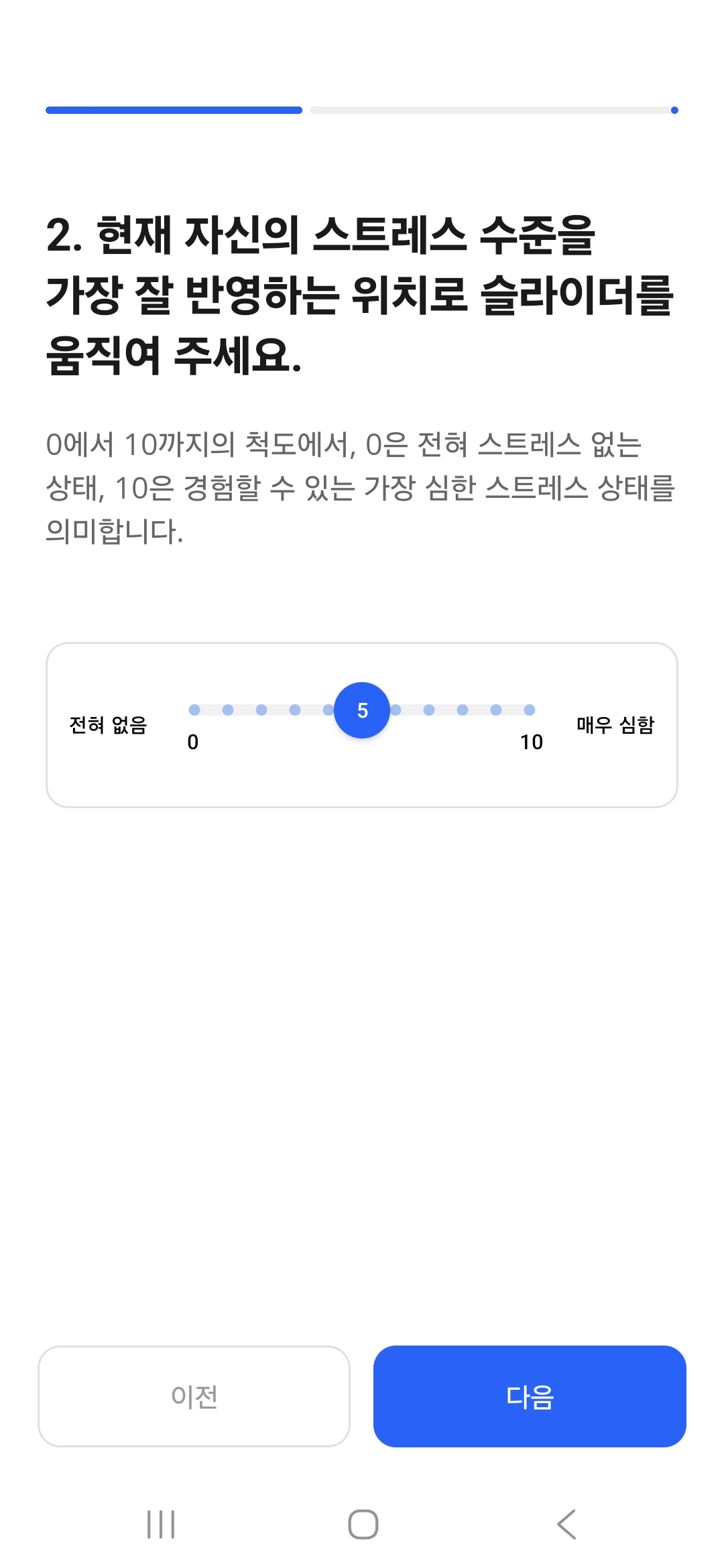
Image source: presentation page 14, INSPIRE app dated May 11, 2026. This is a feasibility, usability, and acceptability study example, not a collection-rate guarantee for every DTRAC deployment.